Department of Conservation and Recreation Department of Conservation and Recreation

Conserve. Protect. Enjoy.
DCR Logo
Mobile Menu
Search DCR Site
Facebook Twitter YouTube Instagram LinkedIn
About DCR
 
State Parks
 
Natural
Heritage
Soil and Water
Conservation
Recreation
Planning
Dam Safety and
Floodplains
Land
Conservation
  • Natural Heritage
  • Natural Heritage 40th Anniversary
    • 40th Anniversary Events
    • Key Milestones
    • Donate to the Natural Area Preservation Fund
  • About Natural Heritage
    • Overview, Mission
    • Natural Heritage Inventory
    • Community Ecology Program
    • Healthy Waters Program
    • Information Management
    • Environmental Review
    • Natural Area Protection
    • Stewardship
    • Staff
    • Internships
  • Natural Area Preserves
    • Public Access Guide (PDF)
    • Special Events and Hunting
    • Natural Area Research
  • Rare Species and Natural Communities
    • Rare Species and Natural Community Search
    • Rare Species and Natural Community Lists
    • Rare Species Sighting Form
    • Natural Communities of Virginia
    • Locality Summary Maps
    • Rare Butterfly and Dragonfly Atlas
  • Information Services
    • Info Services Order Form
    • Locality Assistance Program
    • NH Data Explorer
    • Species and Community Search
    • ConservationVision and Green Infrastructure
    • Telecommunication Towers (PDF)
    • Conservation Lands Database
    • Wetlands Catalog
    • Species Habitat Modeling
  • Pollinator Smart Solar Site Portal
    • Comprehensive Manual (PDF)
    • Scorecard Templates
    • Virginia Native Plant Finder
  • Native Plants
    • Benefits
    • Natives vs. Aliens
    • Buying and Growing
    • Virginia's Physiographic Provinces
    • Native Plant Finder
    • Flora of Virginia
    • Policy 151 - Plantings on Department Lands
  • Invasive Plants
    • Invasive Plant List
    • What You Can Do
    • Factsheets
    • Invasive Species Working Group
    • Heritage Half Acre
  • Invertebrates
    • Monarch butterflies
  • Caves/Karst
    • Cave Board
    • Cave and Karst Trail
  • Publications
    • Flora of Virginia
    • Peer Reviewed Papers
    • Enews
    • Brochures and Factsheets
    • NH Plan
Home » Natural Heritage » Natural Heritage Program 40th Anniversary Milestones

40 Years of Impact

Key Milestones of the Virginia Natural Heritage Program, Decade by Decade

To keep every cog and wheel is the first precaution of intelligent tinkering
- Aldo Leopold

  • 1980s
  • 1990s
  • 2000s
  • 2010s
  • 2020s

1986–1989

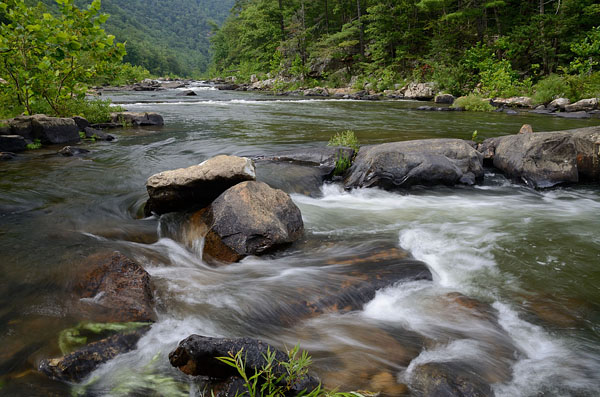
Goshen Pass, DCR's first Natural Area, acquired 1956
  • 1986: August 7, Virginia Natural Heritage Program becomes the 43rd state natural heritage program launched by The Nature Conservancy. First director Mike Lipford.
  • 1988: July 1, The Virginia Natural Heritage Program (Natural Heritage) incorporated into the Virginia Department of Conservation and Recreation (DCR) as the Division of Natural Heritage.
  • 1989: July 1, Virginia Natural Areas Preserves Act passed, creating the Natural Area Preserve System.
  • 1989: DNH Ecologists collected data on the first vegetation plots at First Landing State Park. These data form the basis for development of The Natural Communities of Virginia classification.

Back to top

1990–1999


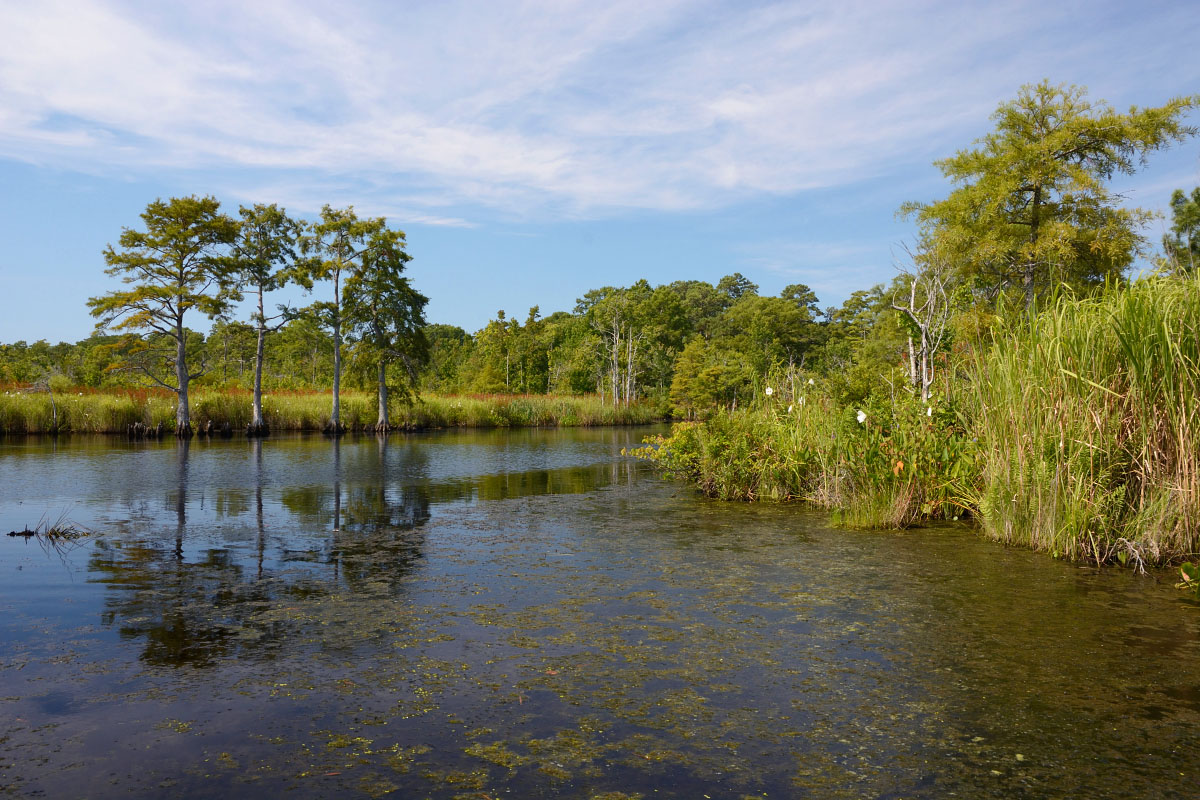
North Landing River, First Natural Area Preserve, 1990
  • 1990: First Natural Area Preserve, North Landing River, established. Tom Smith becomes director.
  • 1990: Zoologists rediscovered the federally endangered Dwarf Wedgemussel in Virginia. This species had been feared extirpated in the state.
  • 1992: Virginia voters approved the Parks and Recreational Facilities Bond including $11.475 million for natural area acquisition.
  • 1993: First project entered into the Environmental Review database.
  • 1994: Karst Groundwater Protection Project established in Dublin. (1979 Cave Protection Act and creation of Cave Board) creating Karst Groundwater Protection Program in Natural Heritage, funded by U.S. Environmental Protection Agency.
  • 1994: The Virginia Natural Heritage Program recognized by NatureServe as Outstanding Natural Heritage Program (also later in 2006 and 2016).
  • 1995: The Natural Heritage Program the second state agency to launch a web site
  • 1999: Zoologists, working with collaborators, documented 11 new sites for the federally endangered Mitchell’s satyr, a globally rare butterfly that was first found in the state during the previous year.
  • 1999: DCR designated lead agency for statewide Conservation Lands Database with Natural Heritage taking the lead.
  • 1990-1999: North Landing River, Bethel Beach, Big Spring, Johnsons Creek, Poor Mountain, Wreck Island, Bush Mill Stream, Pinnacle, Hughlett Point, Pickett’s Harbor, Northwest River, Grafton Ponds, Blackwater Ecological, Chub Sandhill, Antioch Pines, Buffalo Mountain, Cumberland Marsh, New Point Comfort, Cape Charles, The Cedars, Cowbane Prairie, Savage Neck Dunes, Pedlar Hills Glades, Grassy Hill, Folly Mills Creek Fen, Dameron Marsh, Dendron Swamp, Parkers Marsh Natural Area Preserves acquired.

Back to top

2000–2009

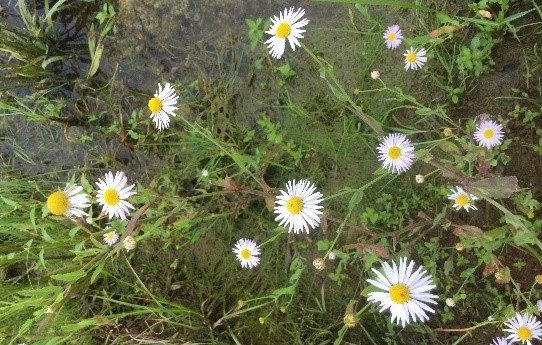
photo of Boltonia montana
Boltonia montana, Valley Doll's-Daisy, new plant species described in 2006.
  • 2000: The Nature Conservancy transferred the leadership of Natural Heritage programs to Association for Biodiversity Information, which becomes NatureServe in 2001.
  • 2000: New Access database implemented for tracking project reviews.
  • 2001: Natural Heritage database transitions from Biological and Conservation Data system (DOS-based) to Biotics (GIS-enabled with about 5,700 species' locations).
  • 2002: Virginia voters approved the passage of the Parks and Natural Areas Bond that provided $13.2 million in funding for natural area preserve acquisition.
  • 2004: The Natural Communities of Virginia: Classification of ecological community groups, second approximation released via the DCR website and is first publicly available release of Natural Heritage natural community classification. It has since been updated in 2021, now the third approximation.
  • 2006: Natural Heritage Data Explorer developed.
  • 2006: Senior Botanist co-authored the description of the globally rare Boltonia montana as a species new to science known only from the Ridge and Valley of Virginia and New Jersey.
  • 2007: 50th Natural Area Preserve, Camp Branch Wetlands, established.
  • 2007: First statewide Natural Landscape Assessment completed; ConservationVision launched.
  • 2008: Stewardship planted 230 acres of Virginia-sourced longleaf pine at Chub Sandhill Natural Area Preserve.
  • 2008: Karst Program hosted or co-hosted the 2nd, 3rd, and 4th Appalachian Karst Symposiums in 2008, 2017, and 2024
  • 2009: First public access guide to Virginia's Natural Area Preserves published (also in 2014 and 2023).
  • 2000-2009: Hickory Hollow, Cleveland Barrens, Chotank Creek, Deep Run Ponds, Difficult Creek, Bull Run Mountains, False Cape, Goshen Pass, Grayson Glades, Parramore Island, Elklick Woodlands, Unthanks Cave, Redrock Mountain, Mount Joy Pond, Cherry Orchard Bog, Mutton Hunk Fen, Clover Hollow, Mark’s and Jack’s Islands, Chestnut Ridge, Magothy Bay, Naked Mountain, Chestnut Creek Wetlands, Camp Branch Wetlands, Ogdens Cave, The Channels, Crow’s Nest, Fletcher Ford, South Quay Sandhills, Cypress Bridge Swamp, Sweet Spring, Crawford’s Knob Natural Area Preserves acquired.

Back to top

2010–2019

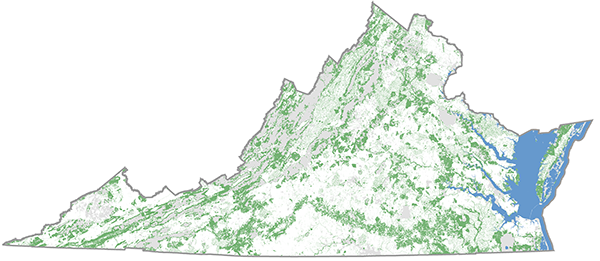
ConserveVirginia map
ConserveVirginia launched, 2019.
  • 2010: First listing of the natural communities of Virginia with state and global conservation ranks completed by Ecologists.
  • 2011: First large-scale solar project reviewed by Virginia Natural Heritage.
  • 2012: The Flora of Virginia published in November by the Flora Project, with DCR as its key partner; first update since Flora Virginica published in mid-1700's.
  • 2012: Stewardship and Natural Heritage hosted the Natural Areas Association conference in Norfolk, VA.
  • 2016: Jason Bulluck becomes director.
  • 2019: Karst program hosted National Cave and Karst Management Symposium in Bristol, Virginia.
  • 2019: ConserveVirginia launched as statewide conservation strategy.
  • 2010-2016: Mill Creek Springs, Blackwater Sandhills, Dundas Granite Flatrock, Bald Knob Natural Area Preserves acquired.
  • 2017-2019: 21 parcels totaling 1,443 acres added to existing natural area preserves.

Back to top

2020–2026

pollinator smart logo
  • 2020: First Pollinator Smart facility certified (Cople Elementary School).
  • 2021-2023: Botanists documented 13 new populations of Raven’s Seedbox (Ludwigia ravenii; G1G2/S1) bringing the total number of extant populations in the state to sixteen.
  • 2023: The Karst Program, with Dr. Jerry Lewis, published The Groundwater Isopods of Virginia, which included descriptions of 23 species new to science, underscoring Virginia's cave and groundwater habitats as biodiversity hotspots.
  • 2024: Ecologists worked with the Flora of Virginia Project(FOVA) to equip the FOVA App with the Natural Communities of Virginia Classification of Ecological Groups and Community Types, allowing keyword search and access to hundreds of photos depicting the highest quality natural areas in Virginia.
  • 2024: Zoologists rediscovered Appalachia hebardi, a globally rare grasshopper, in Virginia after an absence of records for more than 75 years.
  • 2025: Ecologists sampled the 4,807th vegetation plot.
  • 2025: Five Pollinator Smart facilities certified, and eight localities require pollinator best practices or certification for solar facilities.
  • 2020-2025: Southside Savannah Natural Area Preserve dedicated, Eastern Divide, Brocks Gap Natural Area Preserves acquired.
  • 2026: Zoologists databased the 97,000th moth specimen and 60,000th bee specimen processed by zoology lab staff and many dedicated volunteers.
  • 1993-2026: Karst Program has worked with partner scientists to discover at least 50 new species of cave and karst spring endemic animals, most of which are known from only a handful of springs or caves.
  • 2026: Natural Heritage celebrates its 40th anniversary with 10,913 mapped locations of 2,115 elements of biodiversity and 2,499 conservation sites. The Virginia Natural Area Preserve System now includes 69 Natural Area Preserves totaling over 66,000 acres dedicated to the protection of Virginia’s biodiversity.

Back to top
Home » Natural Heritage » Milestones
Virginia Department of Conservation and Recreation
600 East Main Street, 24th floor | Richmond, VA 23219-2094 | 804-786-6124
Please send website comments to web@dcr.virginia.gov
Address general inquiries to pcmo@dcr.virginia.gov
Copyright © 2026, Virginia IT Agency. All Rights Reserved
Last Modified: Thursday, 26 March 2026, 10:12:54 AM
eVA Transparency Reports View the Virginia Department of Conservation and Recreation's expenditures.
Contact Us | Media Center | Privacy Policy | ADA Notice | FOIA | Jobs | Code of Ethics (PDF)
DCR Organizational Chart (PDF) | Strategic Plan (PDF) | Executive Progress Report (PDF) | Public Safety & Law Enforcement