Open fires are prohibited throughout the park from midnight to 4 p.m., Feb. 15 through April 30. Learn more.
Mason Neck State Park
7301 High Point Rd., Lorton, VA 22079; Phone: 703-339-2385; Email: MasonNeck@dcr.virginia.gov
Latitude, 38.654365. Longitude, -77.184114.


Photos and video


This content takes priority over any other information provided on this park's webpage.
Check out the park's weather station link for up to date weather information.
Park hours are 7 a.m. to dusk from the Tuesday after Labor Day – the Friday before Memorial Day Weekend, and 6 a.m. to dusk from Memorial Day Weekend – Labor Day Weekend.
The park administration office is open weekdays from 8 a.m. to 3 p.m., closed state holidays.
The visitor center/gift shop is open Friday through Monday from 9 a.m. to 4:30 p.m. The Visitor Center may be closed due to inclement weather or staff availability. All public restrooms are open until the park grounds close.
There are no designated swimming areas.
Canoe, kayak, and stand-up paddleboard rentals are available from Memorial Day weekend through Labor Day weekend.
Special Events
A special use permit is required for families or groups looking to hold events such as hiking meet-ups, church services, weddings, family reunions, and other programs that welcome a crowd of people. Please contact the visitor center at (703) 339-2385 if you have any questions. Without prior approval, some events may not be allowed depending on the discretion of park staff.
Please review the Virginia State Parks Know Before You Go information before you visit.
General Information
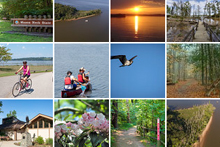
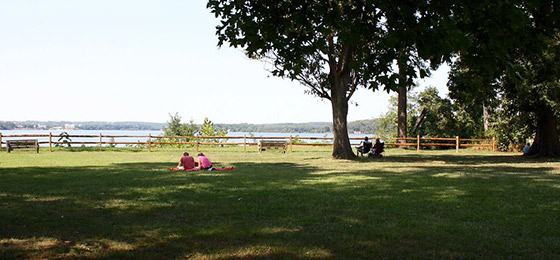
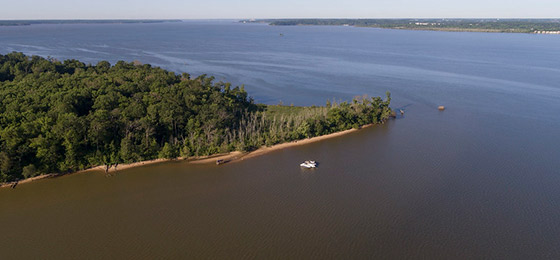
Just a short drive from Washington, D.C., this Northern Virginia park offers many outdoor activities and programs. It has hiking trails, 3 miles of paved multi-use trails, a large picnic area, a playground, a car-top canoe, kayak and paddleboard launch and a visitor center. Canoe and kayak rentals are also available. Bird watching, especially for American bald eagles, and guided canoe trips of Kane's Creek and Belmont Bay are favorites with park visitors. The park's wetlands, forest, open water, ponds and open fields make it ideal for environmental study and wildlife observation. Nearby attractions include the Elizabeth Hartwell National Wildlife Refuge, Gunston Hall and Pohick Bay Regional Park.
Hours
8 a.m. - dusk.
Location
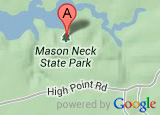
The park is in southern Fairfax County, about 20 miles from Washington, D.C. Access to the park is via U.S. 1, then five miles east on Route 242 (Gunston Road) to the park entrance.
Its address is 7301 High Point Road, Lorton, VA 22079-4010; Latitude, 38.654365. Longitude, -77.184114.
Drive Time: Northern Virginia, half an hour (park is in Northern Virginia); Washington, D.C., 45 minutes; Tidewater/Norfolk/Virginia Beach, three hours; Richmond, one and a half hours; Roanoke, four hours.
Park Size
1,856 acres.
Follow us

Cabins, camping
OVERNIGHT FACILITIES
None - day-use park. For information on the availability of other parks' overnight accommodations, particular park amenities or to make a reservation, you can reserve online or call 1-800-933-PARK. Click here for park fees.
Although Mason Neck has no overnight facilities, you can learn about other parks' rental rates for cabins and camping. Rental rates for cabins and camping vary by season, offering and park. Rates are subject to verification by DCR's state parks reservations staff (1-800-933-PARK). First determine the season, which varies by park, then the rate. Click here for park fees.
Recreation
TRAILS
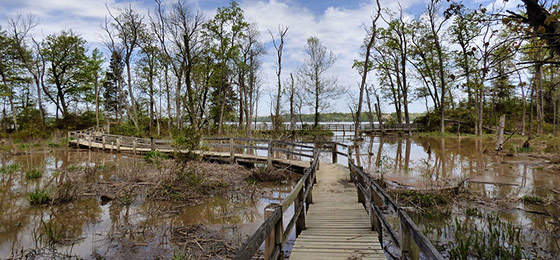
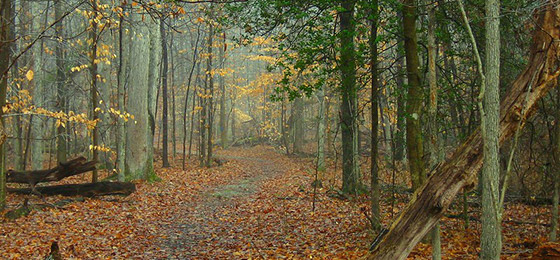
Hiking, biking and self-guided trails. More than six miles of unpaved hiking trails and three miles of paved multi-use trails wind through the park providing a glimpse of nature by the bay. Elevated walkways allow visitors to explore some of the marsh areas in the park. The Friends of Mason Neck State Park’s Accessibility Project has documented four trails as accessible or partially accessible. Please visit the accessibility section for links to detailed information and photos.
SWIMMING
There are no designated swimming areas.
FISHING, BOATING
Fresh and brackish water fishing are available in Belmont Bay only. Fishing from designated hiking trails is prohibited. Must have a valid Virginia or Maryland fishing license. Car-top boat launch facilities available; no facilities for trailer launching.
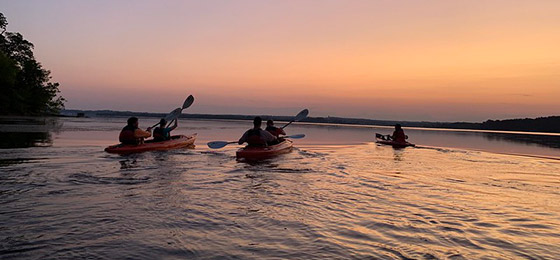
Equipment rentals at the Visitor Center offer opportunities to explore Belmont Bay or Kane's Creek and a great way to see eagles. Children under the age of 6 may not use rental equipment. Canoes, kayaks, and paddle boards are available seasonally, except when poor weather prevents safe use.
Unsafe Weather Conditions
- Combined water and air temperatures below 120 degrees
- Water temperatures below 60 degrees
- Sustained winds at or above 15 mph, or gusts at or above 20 mph
HORSES
None at this park.
Park Trail Guide
Click here for the park's trail guide.
Click here for the All-Terrain Wheelchairs map for this park.
Download (external link for use with Avenza App) the geo-referenced map
Download the geo-referenced map for this park
Nearby Attractions
Use this interactive map, complete with photos and locations, to find things to do near Mason Neck State Park. Also, Gunston Hall, Mount Vernon, Pohick Bay Regional Park, Woodlawn Plantation, the Bureau of Land Managment Meadowood Special Recreation Area, to name a few.
Picnic Shelters
Group picnic area
One group picnic area is available for rent through the Reservations Center at 1-800-933-7275 (PARK). Parking fees are not included in shelter rental. Click here for park fees. The group picnic area can be rented during the hours the park is open.
Cancellation policy: No refund within 14 days before reserved date. Before then, there's a nominal cancellation fee.
Amenities: Visitors wishing to pre-pay a group's parking fee should call the park beforehand. Some activities require a special use permit, which can take up to 30 days to receive.
The universally accessible group picnic area has a gravel and stone dust surface with an accessible path to the picnic pad. There are seven picnic tables and one large pedestal charcoal grill. It seats 50 people at one time. Groups of more than 50 but fewer than 100 people can rent the site in conjunction with other non-reservable picnic pads (group picnic area rental does not guarantee sole usage or availability of the non-reservable picnic pads). Erecting additional tents is not permitted. Extra tables and grills are not allowed. Parking space is adequate, but it may be necessary on busy weekends to offload supplies near the group picnic area and park elsewhere in the park, still within walking distance. The shelter is near a general picnic area that the general public uses. Restrooms are about 60 feet away. There are no electric outlets or water hydrants.
Meeting Space and Facilities
MEETING FACILIITIES
Explorers Hall in the visitor center accommodates up to 30 people for meetings and educational sessions. It can be configured various ways to suit your group's needs. Audiovisual equipment is available, or bring your own. Contact the park for more information and to rent the hall for your next meeting.
VISITOR CENTER, GIFT SHOP
The park's visitor center was expanded to include a new exhibit room, gift shop and meeting room. There are several exhibits in the center, and the view of Belmont Bay is breathtaking. The gift shop offers park-oriented merchandise and souvenirs and some snacks. Visitor center staff can answer questions and provide information on park trails, facilities and local points of interest. Many programs originate or take place at the visitor center. Check the schedule here to see what’s happening at Mason Neck that day.
RESTAURANT
None at this park.
LAUNDRY
None at this park.
ENVIRONMENTAL EDUCATION CENTER
None at this park.
SPECIAL FEATURES
None at this park.
Other Info
ACCESSIBILITY:
- Picnic area: There are two accessible parking spaces in the unpaved lot at the picnic shelter. One of the picnic tables is wheelchair accessible. Restrooms are available in the picnic area. A 6-foot wide cement walkway leads to the restrooms.
- Playground is fully accessible.
- Visitor center/park office: There is one accessible parking space near the entrance to the Visitor center. The visitor center and park office are accessible. A 6-foot wide cement walkway leads to the entrance of the visitor center/park office. The visitor’s center has two accessible restrooms.
- Trails:
Mason Neck State Park identifies four trails as accessible or partially accessible. Click on the links below to see photos and information about the accessibility of each trail.-
Dogue Trail (green blaze, accessible)
-
High Point Road Multi-Use Trail (no blaze, accessible)
-
Marsh View Trail (maroon blaze, accessible)
-
Osprey View Trail (formerly Beach Trail; green blaze, partially accessible)
-
-
An All-Terrain Wheelchair is available for both children and adults. Please visit the All-Terrain Wheelchair page.
-
More information on trail accessibility in the park and throughout the country is available from Birdability, a non-profit organization that works to ensure the birding community that the outdoors are welcoming, inclusive, safe and accessible for everybody. Birdability has partnered with the National Audubon Society to create a crowd-sourced map that describes in detail the accessibility features of birding locations throughout the United States. While the map was created with birdwatching in mind, the information about trails shown on the map is useful to anyone who has an interest in the accessibility of trails. You can get information on trails all over the United States, here.
- Although motorized vehicles are not permitted on park trails, electric wheelchairs and electric scooters that meet the federal definition for wheelchairs are allowed to enable people with disabilities to use the trails.
NATURE, HISTORY PROGRAMS
Pond study, bird watching, nature walks and talks, and GPS adventures are just a few of the exciting programs offered by park rangers throughout the year. There is always something new to experience or participate in at the park. Click here to view all parks' events, festivals, workshops and interpretive programs.
CONCESSIONS
The visitor center sells snacks and ice cream. Drink vending machines are behind the visitor center and at the picnic shelter.
HISTORY
In 1965, the Mason Neck Conservation Committee was formed after two bald eagle nests were spotted at Mason Neck. The committee, concerned about impending development on the peninsula, recommended part of the area to be used as a site for a state park. In August 1967 the state, with the aid of matching federal grants, began buying land parcels from private landowners and the Nature Conservancy.
A series of events threatened the sanctity of Mason Neck in the late 1960s and early 1970s. After plans for a proposed beltway through the area were dropped in 1967, an airport, a natural gas pipeline, a landfill and a sewer line were proposed for the area. These proposals met strong opposition from groups such as the Mason Neck Conservation Committee. Plans for the projects were dropped because of the potential negative impact each had on the federally operated Mason Neck National Wildlife Refuge and Mason Neck State Park. Mason Neck State Park opened to the public in April 1985.
FRIENDS GROUP
The Friends of Mason Neck State Park group works to conserve, enhance and interpret the park’s natural, educational, recreational and cultural resources. The group provides financial support for the park’s activities, and its volunteers assist at the park’s events and activities. The Friends also sponsor events designed to showcase the park; publish a monthly newsletter and maintain a website and a Facebook page that highlight events at the park; and work to improve the accessibility of the park. Email geninfo@masonneckstateparkfriends.org or visit www.masonneckstateparkfriends.org
for details.
MASTER PLAN
Master plans must be written for parks before they're built. The plans are updated at least once every 10 years thereafter. The plans cover the size, types, infrastructure and locations of facilities as well as the site's special features and resources. Three public meetings are held during the initial development of each plan. Click here for this park's master plan.
Events, Programs
- 04/25/2026 - Observe the Birds with Northern Virginia Bird Alliance
- 04/25/2026 - Speak for the Trees
- 04/26/2026 - Forest Bathing
- 05/02/2026 - Shoreline Clean up
- 05/02/2026 - Park after Dark monthly series.
- More events at this park.

Blogs
- Count Birds for Science: The Great Backyard Bird Count
- Where to wander this winter
- Virginia birds in "The 12 Days of Christmas"
- Winter Wildlife Adventures at Virginia State Parks
- Holiday shopping at Virginia State Parks
- More blogs about this park.
At a Glance