Department of Conservation and Recreation
Conserve. Protect. Enjoy.
Department of Conservation and Recreation



 results in following insights.
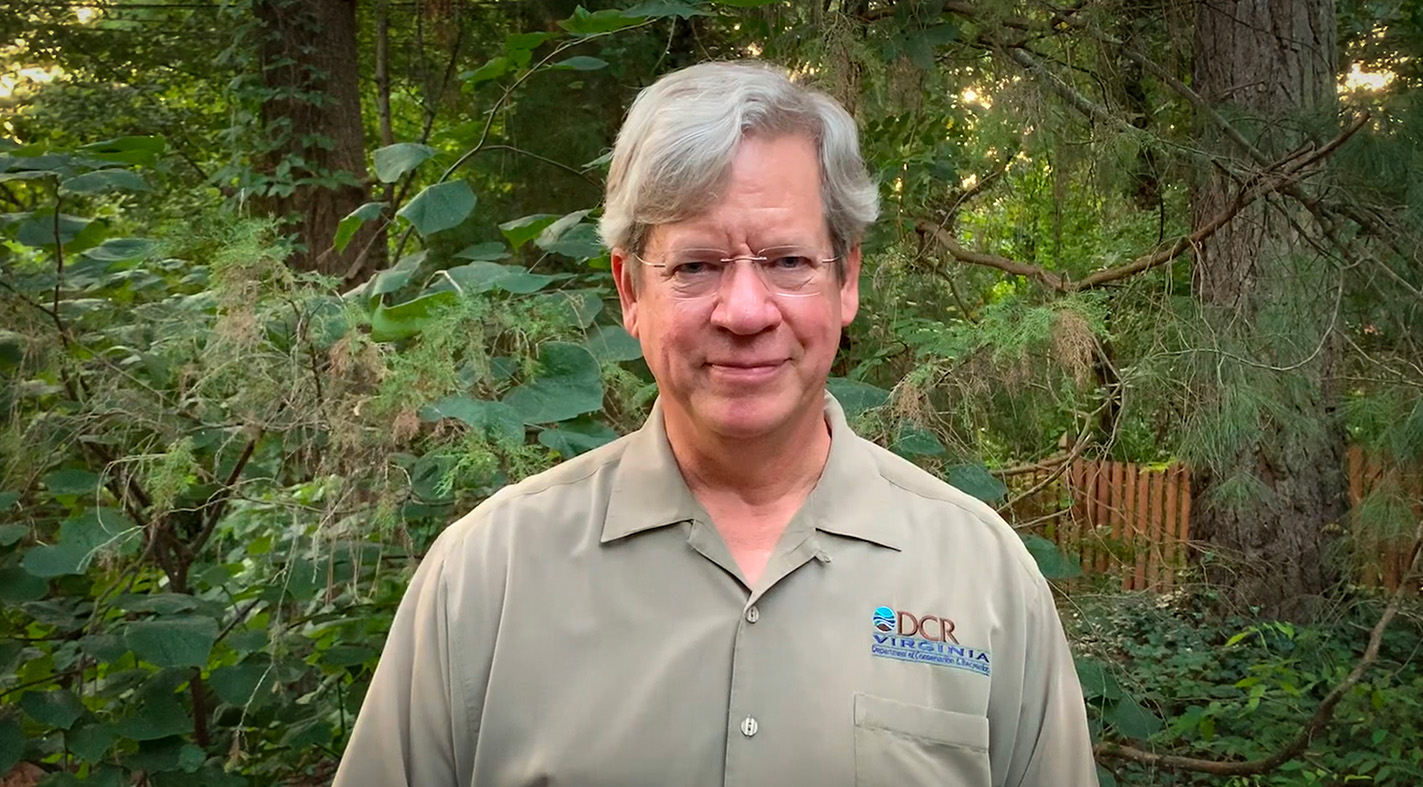 Tom Smith, retiring from DCR after 31 years, reflects on leading Virginia's Natural Heritage Program. READ MORE
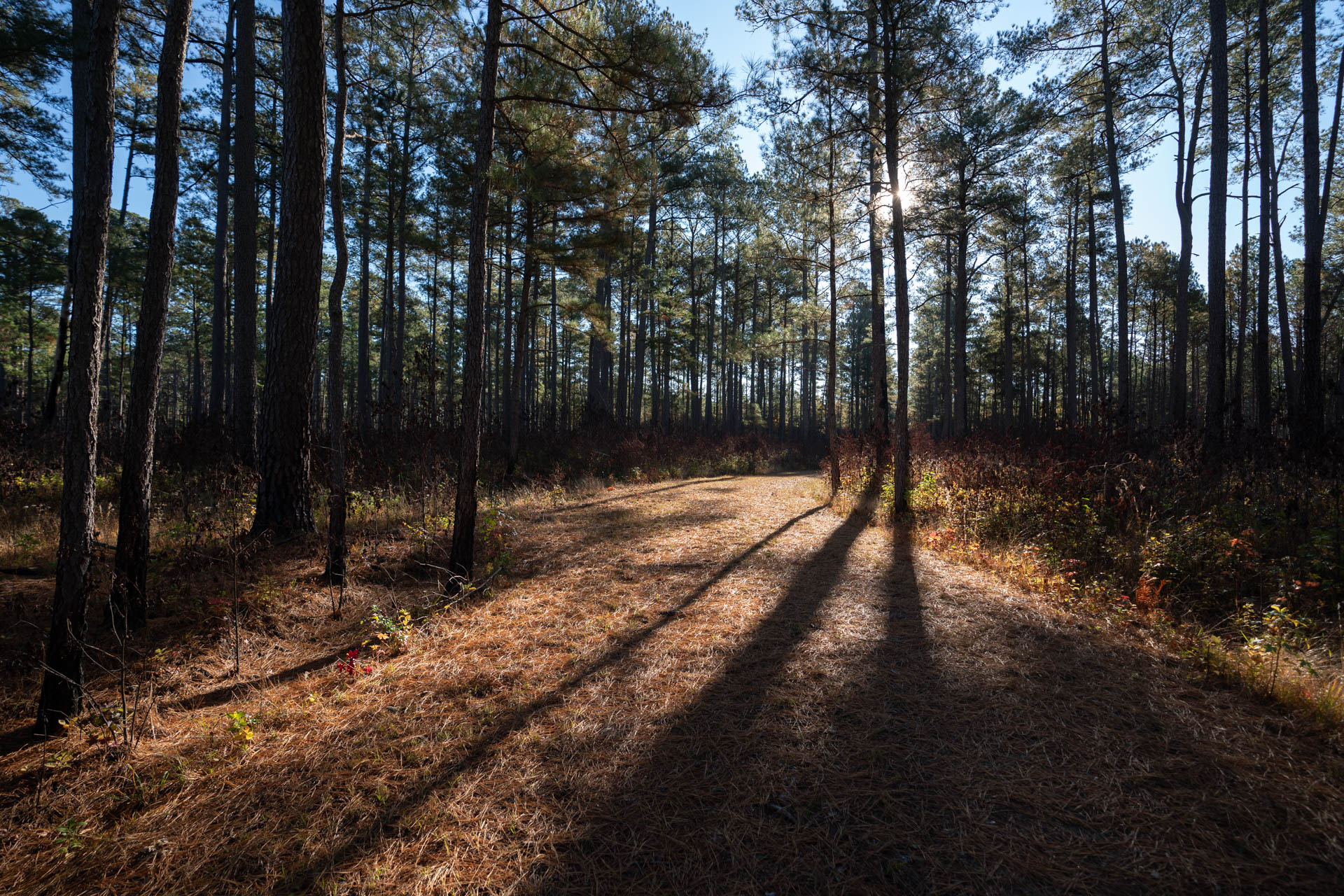 Gov. Ralph Northam dedicates Piney Grove Flatwoods, home of the endangered red-cockaded woodpecker, as Virginia's 66th natural area preserve. READ MORE
.jpg) Plant more plants, and make them native. Check out these tips and resources for free trees, plant guides and ways to make your yard shine next spring. READ MORE
Plant more plants, and make them native. Check out these tips and resources for free trees, plant guides and ways to make your yard shine next spring. READ MORE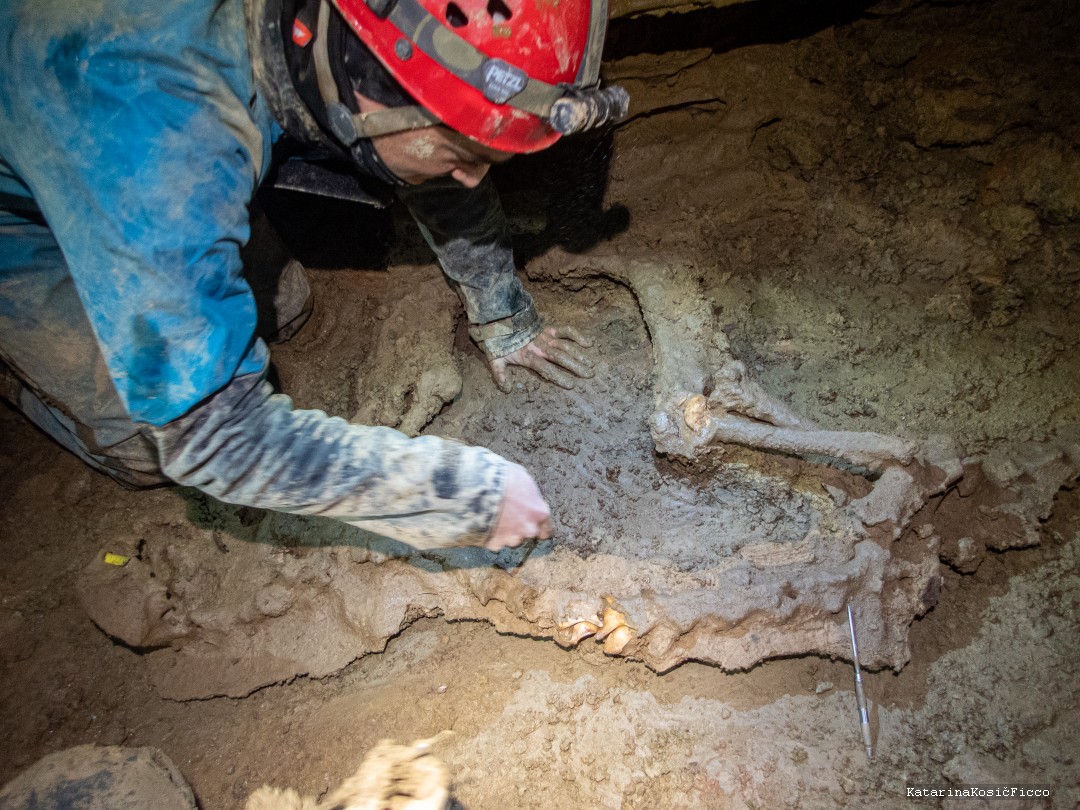 Natural Heritage cave and karst scientists help discover and excavate a fully preserved large cat skeleton. READ MORE
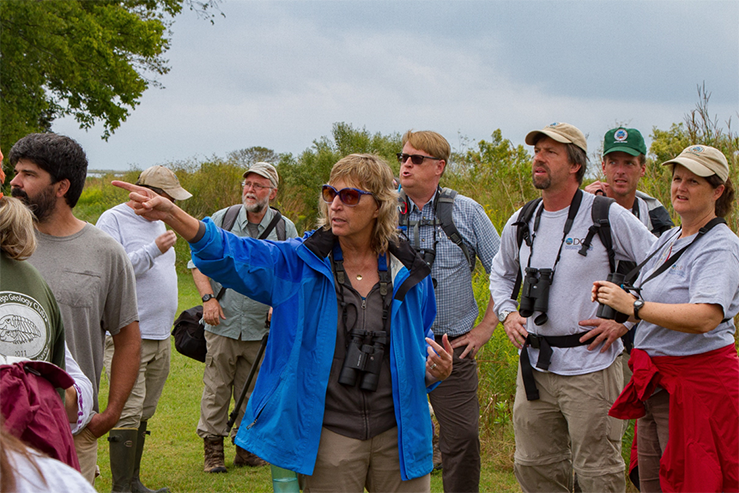 Recently retired Eastern Shore Region Steward Dot Field built a foundation for future coastal conservation work. READ MORE
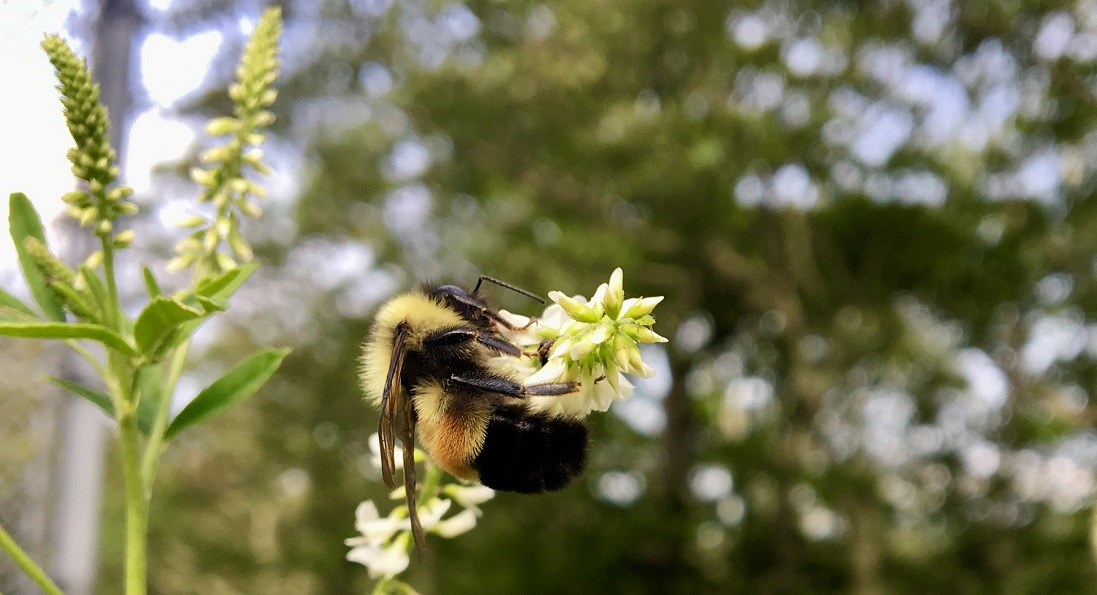 Pollinators are essential to ecosystems and habitats across the globe, but they are in decline. While the causes are complex, there are simple ways you can help them at home. READ MORE
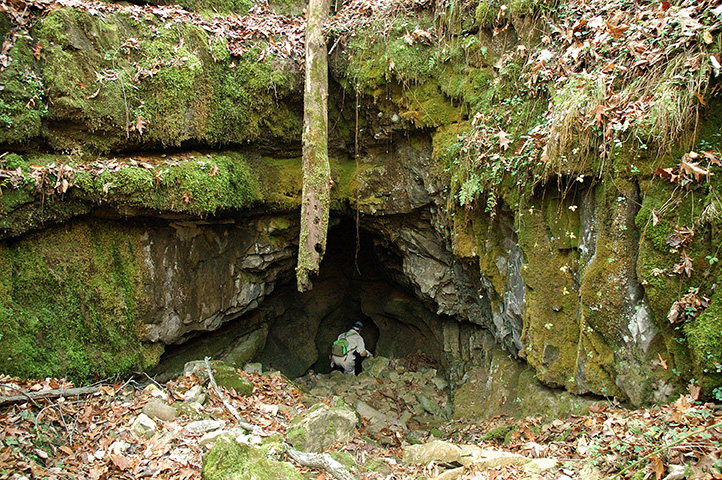 2021 is the International Year of Caves and Karst, and Virginia is joining the celebration with a free virtual program on Saturday, May 8. READ MORE
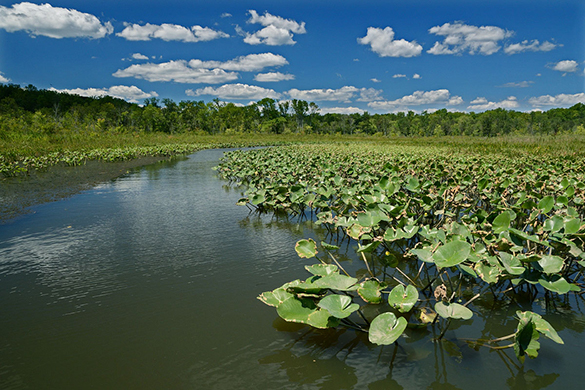 You can make a difference for Virginia's natural areas by contributing a portion of your state tax refund to the Open Space Recreation and Conservation Fund. The fund is used to acquire natural areas for conservation and to develop recreational facilities for public outdoor recreation. READ MORE
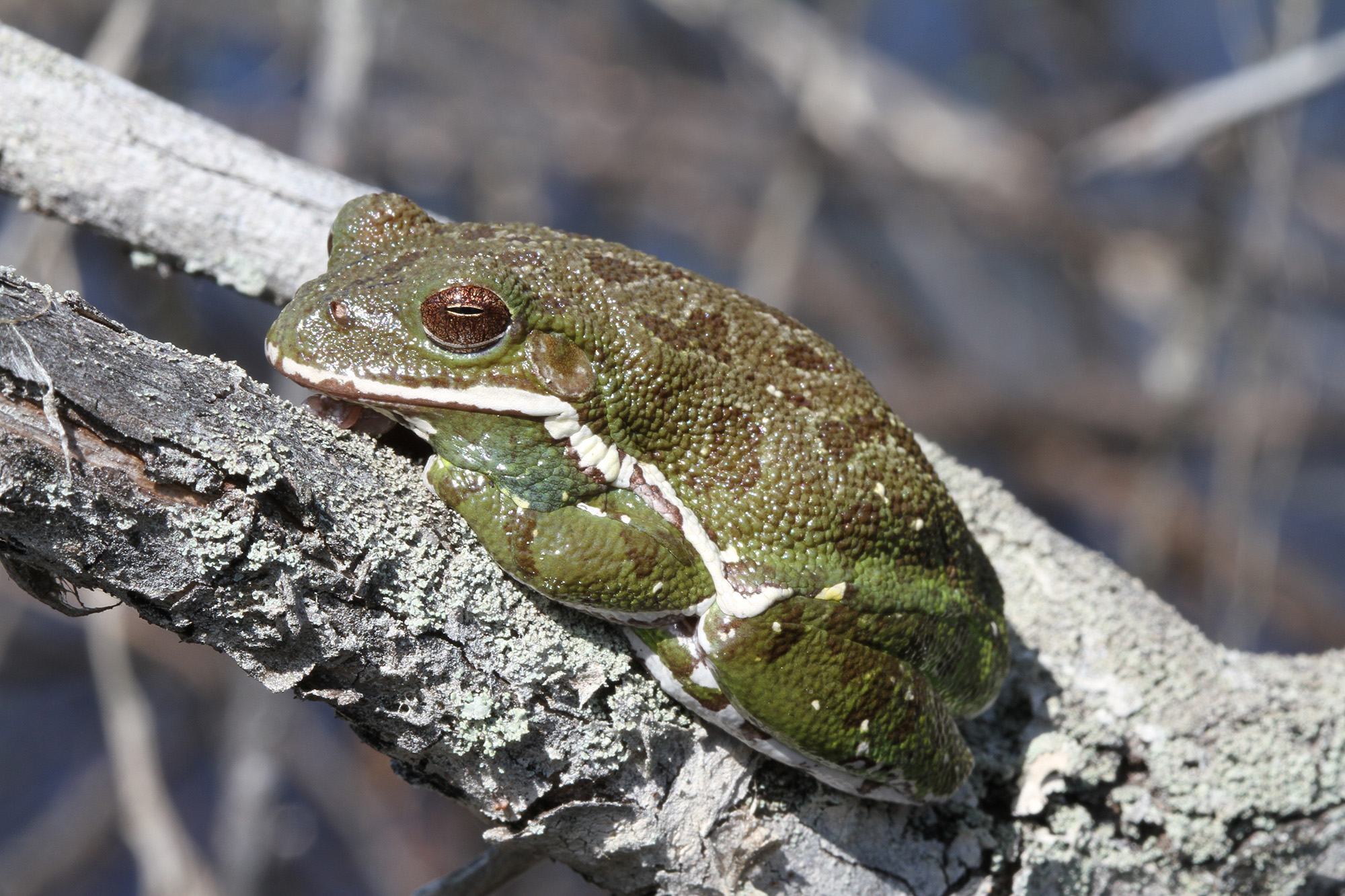 The barking treefrog and oak toad are two species tracked by the Virginia Natural Heritage Program. READ MORE
 Bat Week falls around Halloween, but bats are not to be feared. The 1,400 species of bat around the world provide a wealth of ecosystem services. READ MORE